Rubbish collection in High Barnet station area EN5
Posted on 04/07/2026
Rubbish collection in High Barnet station area EN5: a practical guide for homes, landlords and local businesses
If you live, work, rent, manage a property, or run a small business near High Barnet station, rubbish has a way of building up faster than you expect. One day it is a couple of boxes and a broken chair; the next, it is a hallway you can barely get through. That is where Rubbish collection in High Barnet station area EN5 becomes genuinely useful: quick, local, and far less stressful than trying to juggle bulky waste, parking, and disposal rules on your own.
This guide breaks down how local rubbish collection works, who it helps most, what to look out for, and how to choose a sensible service without overcomplicating things. You will also find a comparison table, a checklist, a real-world example, and answers to common questions people ask when they need waste gone properly, not just moved around from one corner to another.
Why Rubbish collection in High Barnet station area EN5 Matters
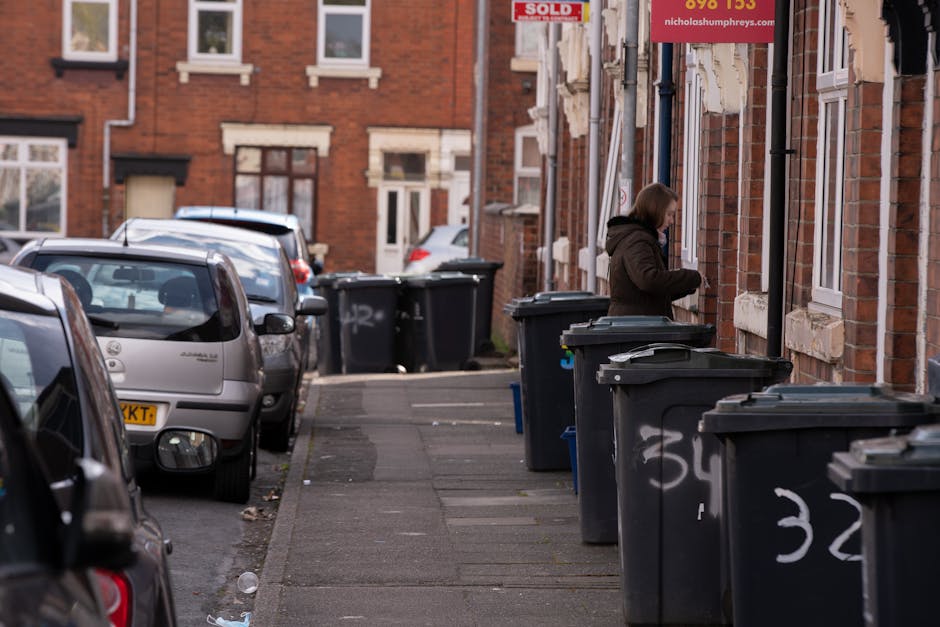
High Barnet station sits in a busy part of EN5 where people are constantly moving: commuters heading into town, families shifting house, local shops receiving stock, and landlords turning over flats between tenancies. In that sort of environment, waste becomes more than an inconvenience. It can block access, attract complaints, and make a property look tired very quickly.
Rubbish collection matters here for a few very plain reasons. First, space is precious. Many homes and premises near the station do not have endless storage, so waste piles up in front gardens, narrow hallways, bins stores, or loading areas. Second, local access can be awkward at certain times of day. If you are trying to move bulky items in a rush, it is easy to underestimate how long it takes. Third, there is the simple reality that rubbish must go somewhere lawful and responsible. That part gets missed a lot, truth be told.
And yes, it matters visually too. A tidy frontage, clear kerbside, and clean shared entrance create a better impression for visitors, tenants, customers, and neighbours. You notice it the moment you arrive. So does everyone else.
Expert summary: In a station-area setting, the best rubbish collection service is the one that saves time, handles awkward access, deals with mixed waste safely, and leaves you with one less thing to think about.
If you are comparing broader waste help across the borough, you may also want to look at rubbish collection across Barnet or the wider waste disposal in Barnet services available for larger clear-outs.
How Rubbish collection in High Barnet station area EN5 Works
Most local rubbish collection services follow a fairly straightforward process, although the details depend on the type and volume of waste. In practical terms, the job usually begins with a description of what needs removing: one bulky item, a room of mixed household rubbish, office clutter, or a more awkward load such as builders' waste or old appliances.
From there, the service provider assesses access, likely loading time, and any special handling needs. That might include stairs, narrow corridors, parking restrictions, or items that need dismantling before removal. If you have ever tried to get a wardrobe through a tight landing, you know why this step matters. It sounds minor until you are wrestling with it at 7:30 in the morning.
In a well-run collection, the team arrives with the right vehicle, loading equipment, and protective gear. They remove the waste, separate recyclable materials where possible, and take it away for appropriate processing. Where a client has mixed waste, it may be sorted into reusable, recyclable, and non-recyclable streams. If you are clearing a flat near the station, this can save a lot of time compared with trying to make multiple trips yourself.
For households, common jobs include furniture, white goods, bagged rubbish, old carpets, and general clutter after a move. For businesses, it may be old office chairs, cardboard, packaging, shelving, or confidential waste that needs handling carefully. If the job is more specific, a dedicated service can be more efficient than a broad general collection. For example, furniture removal in Barnet is often a better fit when the main issue is bulky household items rather than mixed rubbish.
Key Benefits and Practical Advantages
The obvious benefit is simple: rubbish disappears. But the real value goes beyond that. When rubbish collection is done properly, it reduces stress, saves time, and helps you stay on top of a property or business that would otherwise get cluttered fast.
- Speed: A single collection can clear what might otherwise take you a whole weekend.
- Convenience: No need to hire a van, find parking, queue at a tip, or make repeated trips.
- Flexibility: Good services can handle mixed loads, awkward access, and urgent clearances.
- Cleaner presentation: This matters if you are preparing a property for sale, letting, or inspection.
- Better recycling outcomes: Waste can often be sorted more effectively than in a rushed DIY job.
- Reduced risk: Less lifting, less clutter, fewer chances of injury or blocked exits.
There is also a quieter benefit that people underestimate. Once the waste is gone, it changes how the space feels. A flat that felt cramped suddenly breathes. A shop stockroom that was getting on your nerves starts to function again. Small thing, maybe. But not really small when you are living with it every day.
For landlords and agents, the advantage is even clearer. Faster turnaround between tenancies, fewer disputes over left-behind items, and a better impression during viewings. If you are in the middle of buying, selling, or restoring a property nearby, the topic connects closely with Barnet homes buying and selling advice and the local perspective offered in property investment tips for Barnet.
Who This Is For and When It Makes Sense
Rubbish collection in the High Barnet station area is useful for more people than you might think. It is not just for major clear-outs. Often, it is the practical choice when the waste is too much for bins, too awkward for normal collection, or too urgent to leave lying around.
Typical users include:
- Residents clearing out lofts, spare rooms, garages, or balcony storage.
- Renters moving out and needing to remove leftover clutter quickly.
- Landlords preparing a property for new tenants.
- Estate and letting agents dealing with end-of-tenancy waste or urgent presentation issues.
- Local businesses removing packaging, old furniture, or redundant stock.
- Tradespeople and developers needing builders' waste removed after a job.
When does it make sense? Usually when you need a clean, direct solution rather than fiddling around with bags and borrowed cars. If you only have a few light items and a lot of time, you could manage yourself. But if the waste is heavy, bulky, messy, or time-sensitive, a collection service is often the sensible call.
For office moves or refurbishments, a more focused service can help. A dedicated office clearance in Barnet is often better than a general rubbish run because it is designed around desks, chairs, screens, cartons, and the kind of clutter that tends to build up in workspaces. Similarly, if you are dealing with old appliances, white goods and appliance disposal is usually the cleaner route.
Step-by-Step Guidance
If you want the process to go smoothly, it helps to approach it in a practical order. Not fancy. Just tidy and sensible.
- Sort the waste into broad groups. Separate general rubbish, bulky items, recyclables, appliances, and anything sharp or hazardous.
- Identify access issues. Note stairs, parking restrictions, shared entrances, narrow passages, or loading limits.
- Estimate the volume. A few sacks is very different from a room full of furniture. A rough idea is enough at the start.
- Check what needs special handling. Mattresses, fridges, freezers, and damaged items often need specific disposal arrangements.
- Choose the right service type. General rubbish, furniture disposal, domestic waste collection, builders' waste, or a full waste clearance may suit different jobs.
- Ask for a clear quotation. Make sure the price basis is understandable, whether it is volume, labour, item count, or a mix of factors.
- Prepare the load. Bag loose waste securely, keep items together, and make access as open as you can.
- Keep an eye on documentation. For commercial jobs especially, you may want proof that waste is being handled by a compliant carrier.
- Inspect the area after collection. It sounds obvious, but a quick check helps ensure nothing important has been left behind.
A small tip from experience: if you are clearing a property near the station, try to do the final sort before the collection team arrives. It sounds like common sense, and it is, but people often leave the last pile "for the morning" and then get caught in a rush. That is usually when socks, cables, receipts, and one mystery charger all end up in the same bag. Human life, eh?
Expert Tips for Better Results
Better rubbish collection is usually about preparation more than anything else. A little thought before the team turns up can save money, time, and a fair bit of frustration.
- Book slightly earlier than you think you need to. This is useful if you are moving, managing a tenancy change, or working to a handover deadline.
- Take photos of larger loads. They help describe the job accurately and can reduce misunderstandings.
- Keep recyclables separate where practical. It makes sorting easier and supports better waste recovery.
- Protect shared areas. In flats or managed buildings, lay down cardboard or covers if items might scuff floors on the way out.
- Be honest about awkward items. If something is heavy, damp, sharp, or partially dismantled, say so up front.
- Think about the end use of the space. If you are staging a room for sale or let, a proper clearance is worth more than a quick tidy-up.
If you are managing seasonal waste, such as garden cuttings after a tidy-up or the aftermath of a one-off event, a targeted service may be more efficient. For example, garden waste removal in Barnet can make a lot more sense than trying to bundle green waste in with general rubbish. And if the job is messier than expected, a broader waste clearance service may be the calmer option.
One more thing: ask yourself whether you want the waste merely removed, or properly dealt with. There is a difference. It may sound obvious, but in practice that distinction matters a lot.
Common Mistakes to Avoid
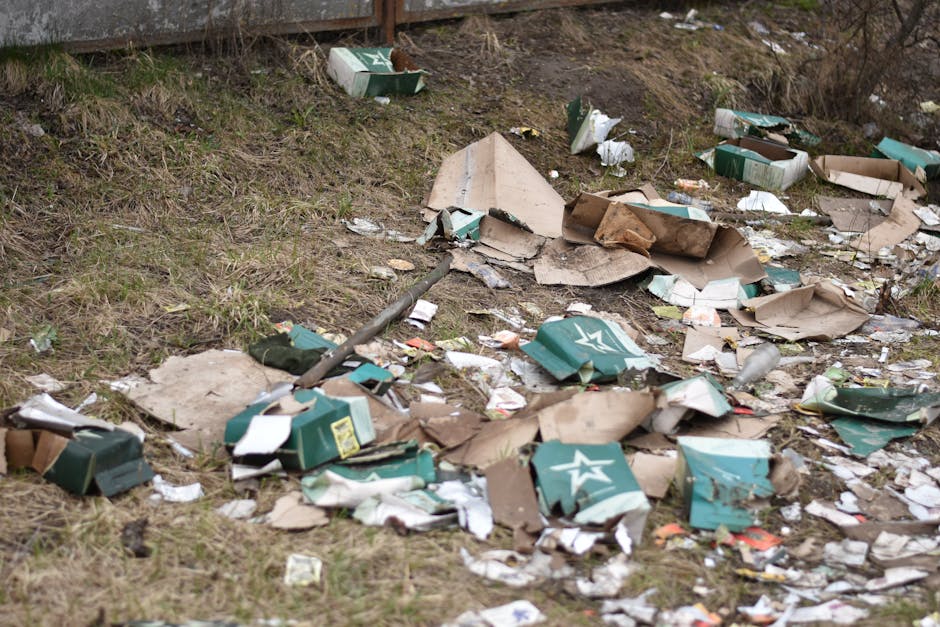
Most problems with rubbish collection are avoidable. The trouble starts when people rush, guess, or assume the waste can be handled the same way as household bin bags. It cannot, not always.
- Underestimating the volume. A load that looks manageable in a corner can become much bigger once it is piled up.
- Mixing everything together. This can slow loading, complicate recycling, and create issues with certain items.
- Forgetting access constraints. Parking and loading near the station can be tighter than you expect.
- Leaving collection decisions until the last minute. This is how moving-day chaos begins.
- Ignoring special waste requirements. Appliances, sharp items, and some construction debris need more care.
- Not checking who is handling the waste. If a service is not transparent, that is a red flag.
Another common mistake is choosing a service that is too broad for the job, or too narrow. A house full of mixed clutter needs a different approach from a single sofa. A renovation skip of rubble needs a different approach again. Picking the wrong fit can make the whole thing clumsy. Nobody needs that, least of all on a busy weekday.
Tools, Resources and Recommendations
You do not need a toolkit the size of a trades van, but a few simple things can help keep the process organised.
- Heavy-duty sacks or boxes: Useful for lighter mixed waste and loose items.
- Marker labels: Handy if you want to separate keep, donate, recycle, and remove.
- Basic gloves and sturdy footwear: Sensible for sorting before collection day.
- Measuring tape or rough room dimensions: Helpful when describing larger furniture or clearance volumes.
- Phone camera: Simple, but very useful for showing the waste clearly.
On the service side, it helps to understand the difference between domestic, commercial, and specialist disposal. A household clear-out is not the same as a shop refit. Likewise, domestic waste collection in Barnet is usually a better fit for home waste, while commercial waste removal in Barnet is designed for businesses with regular or larger-scale needs.
If the waste is mostly old chairs, tables, wardrobes, or similar items, using a dedicated furniture route can be more efficient. That is where furniture disposal in Barnet becomes especially handy. For more general background on how services are organised, the services overview is a useful starting point, and the team's about us page can help you judge whether the provider feels like a proper local operator rather than a faceless number.
Law, Compliance, Standards, and Best Practice
Rubbish collection is not just a practical matter. It also carries a responsibility to make sure waste is handled properly. In the UK, households, landlords, and businesses should be careful about who removes their rubbish and where it goes. You do not need to become an expert in waste law, but you should expect a legitimate carrier, sensible handling, and clear communication.
For commercial customers in particular, it is worth being cautious. If you hand over waste to the wrong person, you may be left with a problem if it is fly-tipped or disposed of badly. That is why checking compliance matters. A reputable operator should be able to explain how waste is transported, sorted, and documented. No drama, no mystery.
Safety also matters. Heavy lifting, sharp edges, broken glass, damp items, and appliance removal all present risks. A good service should work in a way that reduces those risks, not adds to them. If the provider talks openly about lifting practices, vehicle loading, and how they manage awkward items, that is a good sign. You may also want to read the company's insurance and safety information and its waste carrier compliance details before booking.
For payment and trust signals, a transparent booking process helps. If a provider also offers straightforward explanation of costs and payment handling, that makes the whole thing easier to trust. The same goes for privacy and terms: boring on the surface, but important underneath.
Options, Methods, or Comparison Table
If you are trying to decide how to remove rubbish near High Barnet station, there are usually a few realistic routes. The right one depends on volume, urgency, item type, and how much lifting you want to do yourself.
| Method | Best for | Strengths | Watch-outs |
|---|---|---|---|
| Self-removal | Small loads, low urgency, simple waste | Low cash outlay if you already have a vehicle | Time, lifting, parking, and disposal logistics can be awkward |
| General rubbish collection | Mixed household waste, clutter, bagged items | Flexible and convenient for one-off clearances | Needs accurate volume estimates |
| Furniture-specific disposal | Sofas, beds, wardrobes, tables | Ideal for bulky items with awkward handling | Some items may need disassembly |
| Builders' waste removal | Renovations, repairs, strip-outs | Handles rubble, offcuts, and site debris efficiently | Heavier loads may need clearer access planning |
| Full house or loft clearance | Moves, estates, downsizing, major decluttering | Most comprehensive option | Usually needs more planning and more time on site |
When in doubt, think about the mess honestly. Is it a few odd items, or is it a proper accumulation? If it is the second one, a broader clearance service often turns out to be the calmer choice. You do not need to over-engineer it, just match the method to the problem.
Case Study or Real-World Example
Here is a realistic example from the kind of job that comes up often around station areas.
A small flat a short walk from High Barnet station had been let to tenants for several years. After move-out, the landlord found a mix of bagged rubbish, an old sofa, a broken desk, a chest of drawers, and some loose cardboard from appliance deliveries. The hallway was narrow, the building had shared access, and the next viewing was booked two days later. Tight turnarounds like that are common, especially in local rental stock.
The sensible move was not to try to handle it piecemeal. Instead, the waste was grouped by type, photographs were taken, access details were confirmed, and the collection was arranged as a combined domestic and furniture clearance. The team could then remove the items in one visit, sort what could be recovered, and leave the flat ready for cleaning.
What made the difference? Preparation. The landlord did not wait until the last minute to ask, "Can someone just take a few bits?" They described the job properly. As a result, the collection went smoothly, the entrance stayed clear, and the viewing could go ahead without that slightly awkward smell of old furniture and dust that seems to hang around an empty flat for days. Small victory, but a real one.
For property owners dealing with similar situations, local housing insight can be useful too. The reader who wants a broader feel for the district may find the local commentary in a local guide to Barnet and the resident perspective in is Barnet a good place to live helpful context when making decisions about upkeep and presentation.
Practical Checklist
Use this before you book rubbish collection near High Barnet station. It keeps things simple.
- Identify the main waste types: general rubbish, furniture, appliances, garden waste, or builders' waste.
- Estimate how much there is, even roughly.
- Check whether the items are heavy, sharp, wet, or likely to need dismantling.
- Note access details such as stairs, parking, shared entrances, or restricted loading space.
- Separate anything you want to keep before the collection day.
- Take photos if the load is large or mixed.
- Ask how the waste will be handled after collection.
- Confirm the price basis and any likely extras before agreeing.
- Make sure the area is safe and clear for the crew to work.
- Keep any documents or references you might need for landlord, tenant, or business records.
If the load is mostly bulky items, check whether house clearance in Barnet or loft clearance in Barnet is the better fit. Sometimes the labels matter less than the outcome, but getting the right service at the start does save hassle.
Conclusion
Rubbish collection in the High Barnet station area EN5 is really about convenience, clarity, and doing things properly. Whether you are clearing a flat, refreshing a shop stockroom, handling moving-day leftovers, or sorting out bulky items that have been bothering you for weeks, the right service can make the task feel manageable again.
The biggest wins usually come from simple things: describing the job clearly, choosing the right type of collection, and making sure waste is handled responsibly. That is it. No need to turn it into a bigger project than it already is.
If you are weighing up the next step, take a breath, look at the waste honestly, and choose the route that gives you the cleanest result with the least disruption. That tends to be the best answer more often than not. And once the space is clear, you really do feel it straight away.
Get a free quote today and see how much you can save.
A clear space has a quiet way of making everything else feel a bit more possible.


 Tipper Van - Waste Disposal and Rubbish Removal Prices in Barnet, EN5
 Luton Van - Waste Disposal and Rubbish Removal Prices in Barnet, EN5